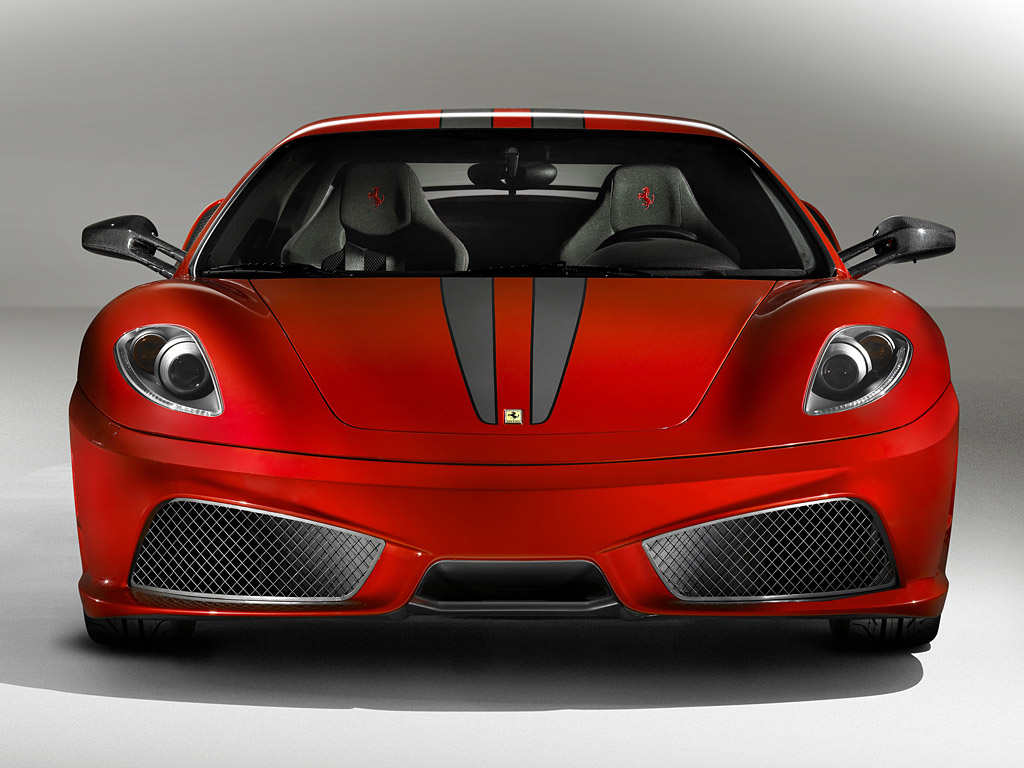
A sports car is a small, usually two seat, two door automobile designed for high speed driving and maneuverability. Sports cars have been either spartan or luxurious, but good handling, minimum weight, and high performance are requisite.
Contents
* 1 Early history
* 2 Layout
* 3 Seating
* 4 Sports car versus sporting models
* 5 See also
* 6 References
* 7 External links
Early history
1934 Aston Martin Ulster
The sports car traces its roots to early 20th century touring cars. These raced in early rallys, such as the Herkomer Cup, Prinz Heinrich Fahrt, and Monte Carlo.
The first sports cars are considered to be (though the term would not be coined until after World War One) the 3 litre made in 1910 Vauxhall 20 hp (15 kW) and 27/80PS Austro-Daimler (designed by Ferdinand Porsche).
These would shortly be joined by the French DFP (which became sporters after tuning by H.M. and W. O. Bentley) and the Rolls-Royce Silver Ghost. In the U.S. (where the type was variously called roadster, speedster, runabout, or raceabout, there was Apperson, Kissel, Marion, Midland, National, Overland, Stoddard-Dayton, and Thomas among small models (which today would be called sports cars), while Chadwick, Mercer, Stutz, and Simplex were among large ones (which might today be called sports sedans or grand tourers).
In 1921, Ballot premiered its 2LS, with a remarkable 75 hp (56 kW) DOHC two liter, designed by Ernest Henry (formerly of Peugeot's Grand Prix program), capable of 150 km/h (90 mph); at most, one hundred were built in four years. This was followed by the SOHC 2LT and 2LTS. The same year, Benz built a supercharged 28/95PS four for the Coppa Florio; Max Sailer won.
Simson in 1924 offered a Paul Henze-designed 60 hp (45 kW) DOHC 2 liter four, the Simson Supra Type S, in a long-wheelbase 120 km/h (60 mph) tourer and 115 km/h (71 mph) twin-carburettor sporter; only thirty were sold, against around three hundred of the SOHC model and 750 of the pushrod-six Type R. Duerkopp's Zoller-blown two liter in 1924, as well.
There was a clear cleavage by 1925. As four-seaters were more profitable, two-seaters increasingly turned over to specialst manufacturers, led by Alvis, Aston-Martin, and Frazer-Nash, with shoestring budgets, fanatic followers, and limited sales (today exemplified by Aston and Morgan): between 1921 and 1939, 350 Astons were built; 323 Frazer-Nashes in the period 1924-39.
By the end of the 1920s, AC produced a 2 liter six, the 3.5 liter Nazzaro had a three-valve OHC (only until 1922), while French makers Amilcar, Bignan, Hispano-Suiza, and Samson had the typical small four-cylinder sporters and Delage, Hotchkiss, and Chenard-Walcker the large tourers. Benz introduced the powerful SS and SSK, and Alfa Romeo, the Vittorio Jano-designed 6C.
Two companies would offer the first really reliable sports cars: Austin with the Seven and Morris Garages (MG) with the Midget. The Seven would quickly be "rodded" by numerous companies (as the Type 1 would be a generation later), including Bassett and Dingle (Hammersmith, London); in 1928, a Cozette blower was fitted to the Seven Super Sports, while Cecil Kimber fitted an 847 cc Minor engine, and sold more Midgets in the first year than MG's entire previous production.

sports cars
sports cars

sports cars

sports cars

sports cars
sports cars
sports cars

sports cars

sports cars

sports cars

sports cars

sports cars

sports cars

sports cars

sports cars
 honda motorcycles
 honda motorcycles
 honda motorcycles
 honda motorcycles
 honda motorcycles
 honda motorcycles
 honda motorcycles
 honda
honda
 honda motorcycles
 honda civic
 honda civic
 honda civic
 honda civic
 honda civic
 honda civic
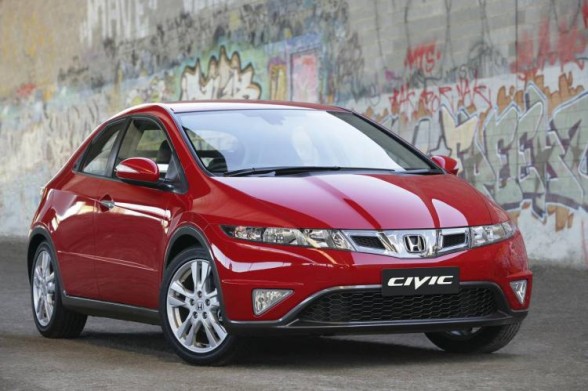 honda civic
 honda civic
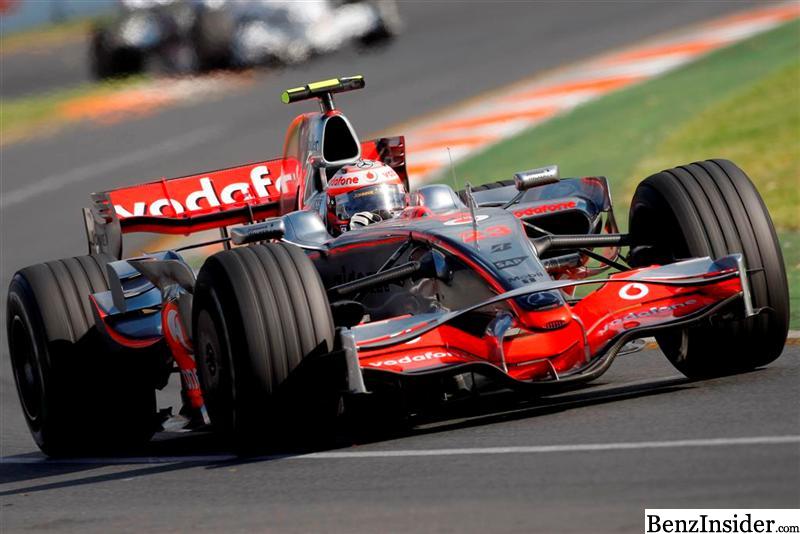 fast cars
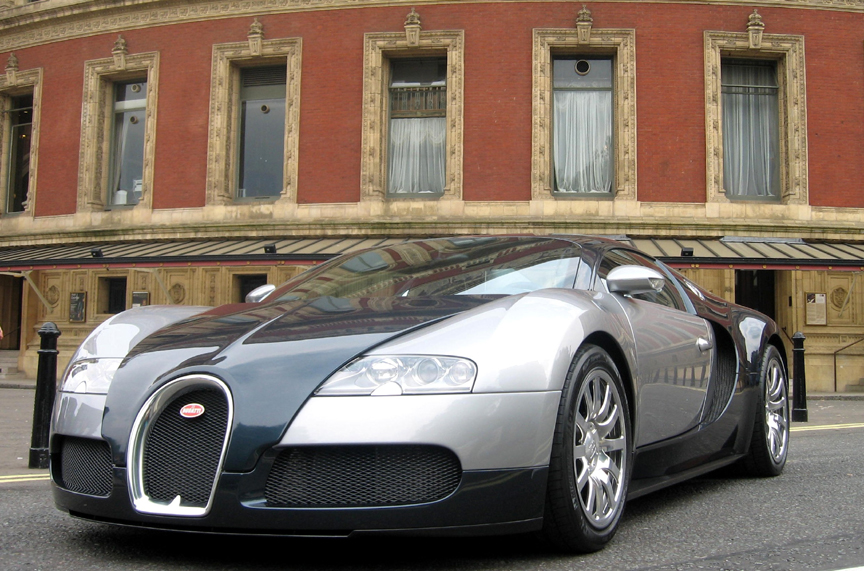 fast cars
 fast cars
 fast cars
 fast cars
 fast cars
 fast cars
 fast cars
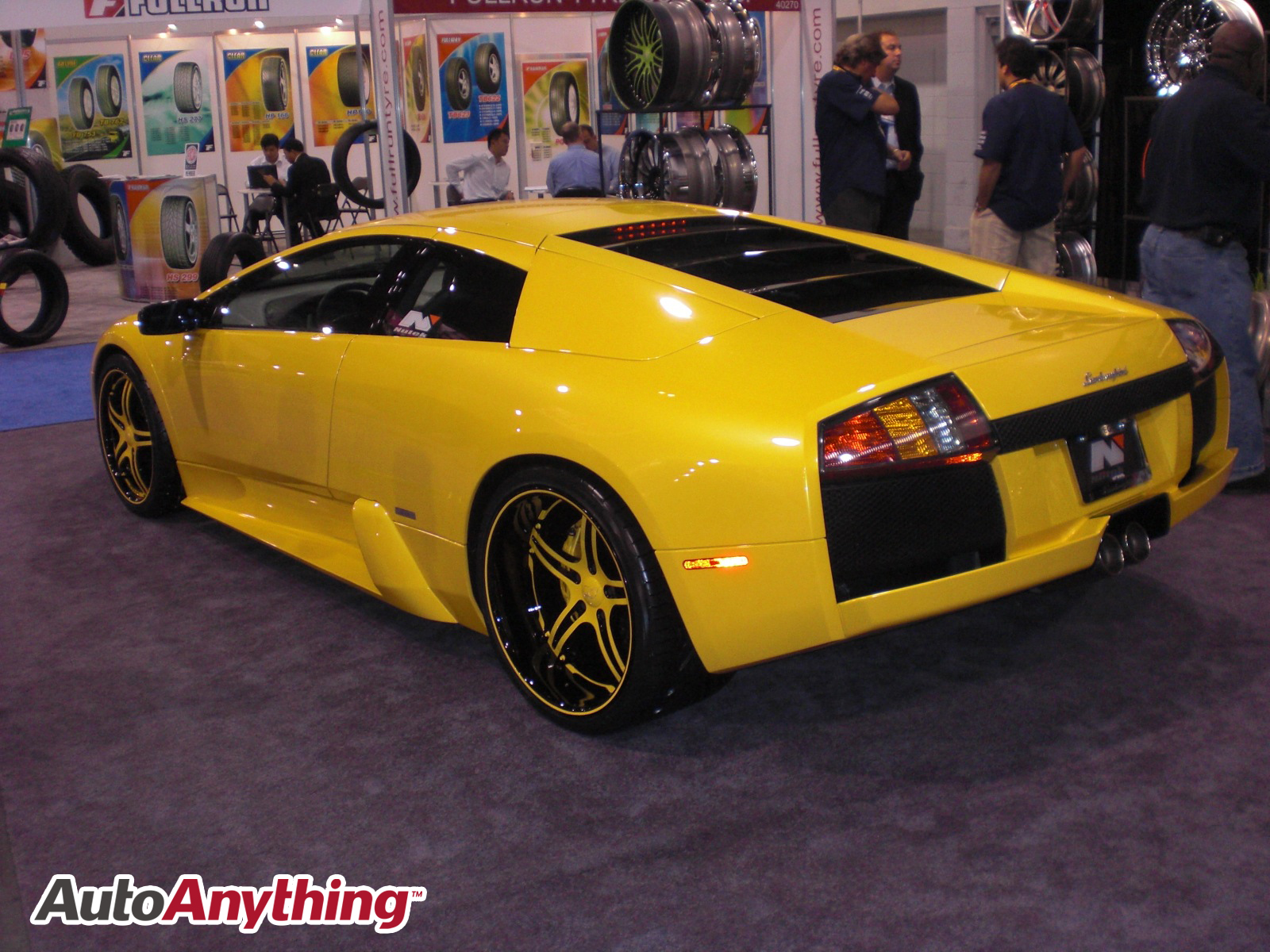 fast cars
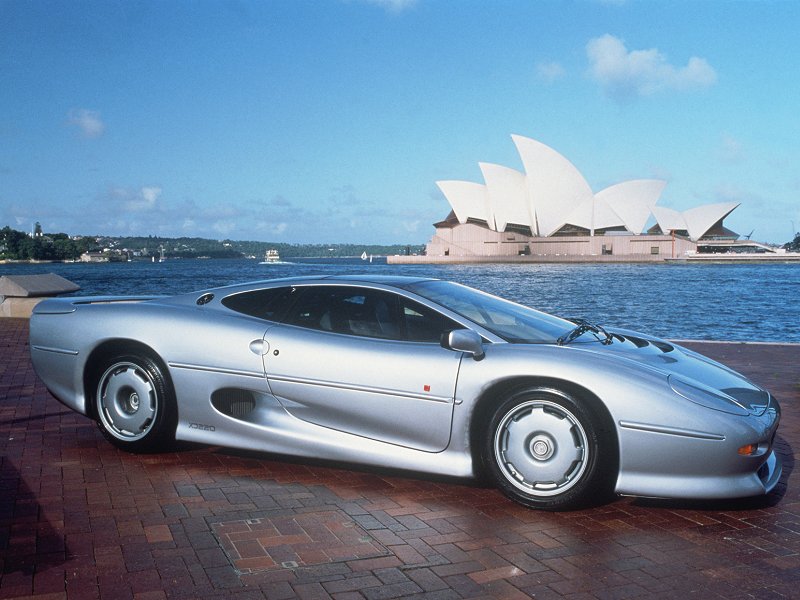 fast cars
 sports cars
 sports cars
 sports cars
 sports cars